
padi.com
-
DISCOVER SCUBA DIVING
Level: Beginner
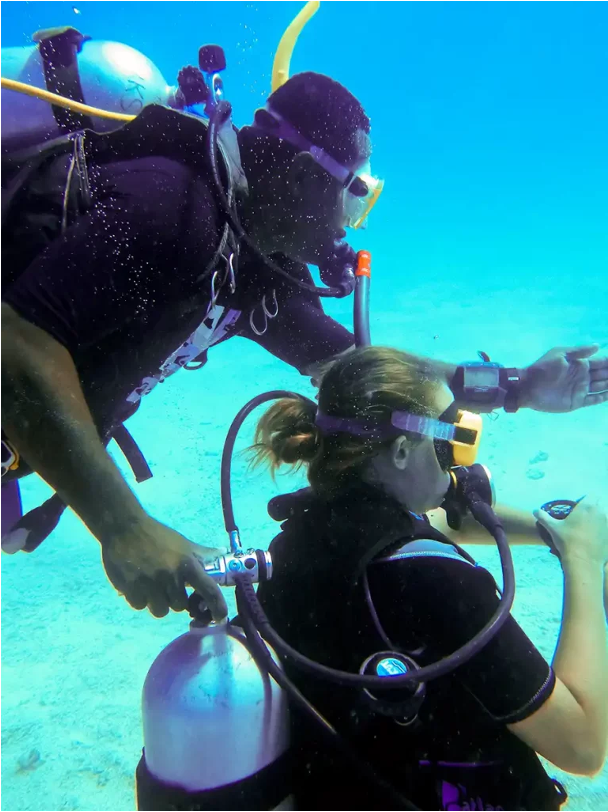
A quick and easy introduction into what it takes to explore the underwater world. Although this is not a scuba certification course, you’ll learn all the steps it takes to be a PADI certified diver.
Description: Have you always wondered what it’s like to breathe underwater? If you want to try scuba diving, but aren’t quite ready to take the plunge into a certification course, Discover Scuba Diving is for you. PADI dive shops offer this program either in a pool, off a beach or from a dive boat. You can try scuba close to home or while you’re on vacation at a dive destination.
While not a scuba certification course, Discover Scuba Diving is a quick and easy introduction to what it takes to explore the underwater world. To sign up for a PADI Discover Scuba Diving experience, you must be at least 10 years old. No prior experience with scuba diving is necessary, but you need to be in reasonable physical health. Are you ready to try it out? Use the event locator to find and schedule a Discover Scuba Diving experience near you.
Academic: You learn the basic safety guidelines and skills needed to dive under the direct supervision of a PADI Professional. If you make an open water dive, you’ll practice a few more skills in shallow water to prepare for your adventure. Get ready to:
Go over the scuba equipment you use to dive and how easy it is to move around underwater with your gear.
Find out what it’s like to breathe underwater.
Learn key skills that you’ll use during every scuba dive.
Have fun swimming around and exploring.
Hear about becoming a certified diver through the PADI Open Water Diver course.
Equipment: We will provide all the basic scuba gear you’ll use including a mask, snorkel, fins, regulator, buoyancy control device, dive gauges and a tank.
-
SCUBA DIVER
Level: Beginner
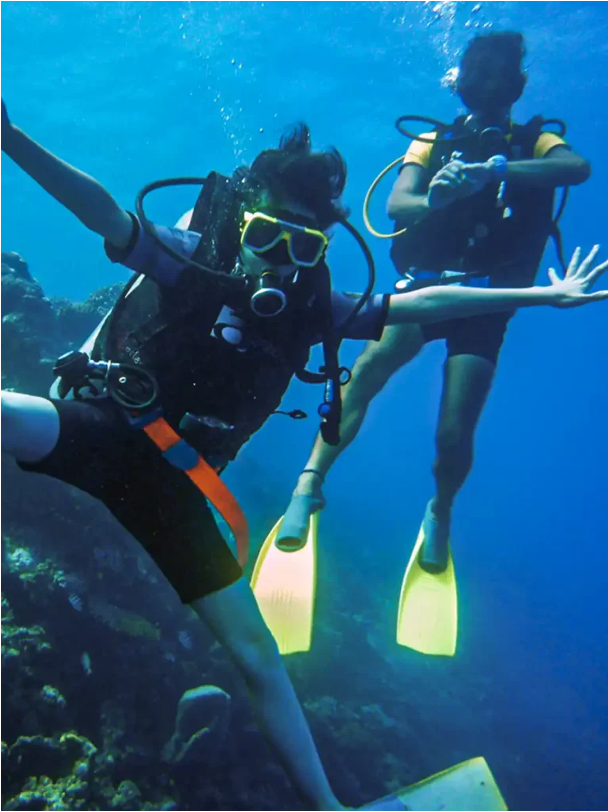
This course is a subset of the PADI Open Water Diver course. If you’re short on time but really want to become a diver, the PADI Scuba Diver rating might be right for you.
Description: The PADI Scuba Diver course is a subset of the PADI Open Water Diver course. If you’re short on time but really want to become a diver, the PADI Scuba Diver rating might be right for you - particularly if you expect to go scuba diving primarily with a dive guide. This course is an intermediate step for earning an Open Water Diver certification, if that’s your ultimate goal.
PADI Scuba Divers are qualified to:
Dive under the direct supervision of a PADI Professional to a maximum depth of 12 metres/40 feet.
Obtain air fills, rent or purchase scuba equipment and participate in dive activities as long as properly supervised.
Continue dive training by completing the PADI Open Water Diver certification and taking certain specialty diver courses.
To enroll in a PADI Scuba Diver course (or Junior Scuba Diver course), you must be 10 years old or older. You need adequate swimming skills and need to be in good physical health. No prior experience with scuba diving is required, but you can try it first through the Discover Scuba®Diving program.
Academic: The PADI Scuba Diver course consists of three main phases:
Knowledge Development (eLearning, independent study or in a classroom) to understand basic principles of scuba diving – just the first three of five sections of the Open Water Diver course.
Confined Water Dives to learn basic scuba skills – just the first three of five dives of the Open Water Diver course
Open Water Dives to use your skills and explore – just two of four dives of the Open Water Diver course.
Equipment: You learn to use basic scuba gear, including a mask, snorkel, fins, regulator, buoyancy control device and a tank. The equipment you wear varies, depending upon whether you’re diving in tropical, temperate or cold water. Your PADI Instructor will explain the equipment you need and may suggest additional educational materials, such as the required logbook.
-
OPEN WATER DIVER
Level: Beginner
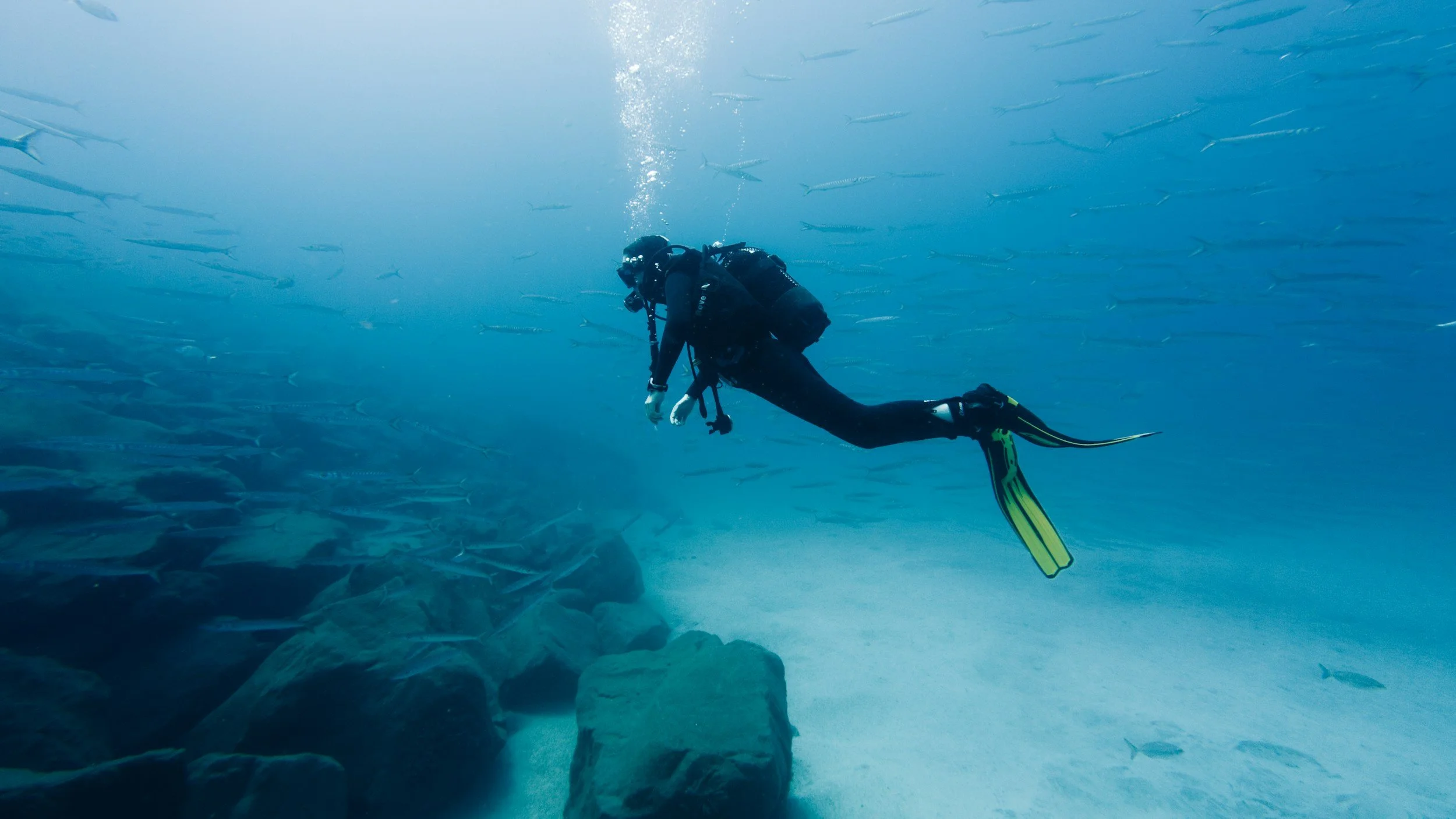
Diver certification begins here. Start with on-location theory or with PADI’s online eLearning course. Move to the pool/shallow water and practice your new skills. Then experience four open water (ocean/lake) dives.
Description: If you’ve always wanted to take scuba diving lessons, experience unparalleled adventure and see the world beneath the waves, this is where it starts. Get your scuba diving certification with the PADI® Open Water Diver course – the world’s most popular and widely recognized scuba course. Millions of people have learned to scuba dive and gone on to discover the wonders of the aquatic world through this course. To enroll in a PADI Open Water Diver course (or Junior Open Water Diver course), you must be 10 years old or older. You need adequate swimming skills and need to be in good physical health. No prior experience with scuba diving is required.
Academic: The PADI Open Water Diver course consists of three main phases:
Knowledge Development ( online, independent study or in a classroom) to understand basic principles of scuba diving
Confined Water Dives to learn basic scuba skills
Open Water Dives to use your skills and explore!
You may be able to get college credit for the Open Water Diver course.
Short on time? The Scuba Diver course might be right for you.
Equipment: In the PADI Open Water Diver course, you learn to use basic scuba gear, including a mask, snorkel, fins, regulator, buoyancy control device and a tank. The equipment you wear varies, depending upon whether you’re diving in tropical, temperate or cold water.
-
ADVANCED OPEN WATER DIVER
Level: Continuing Education
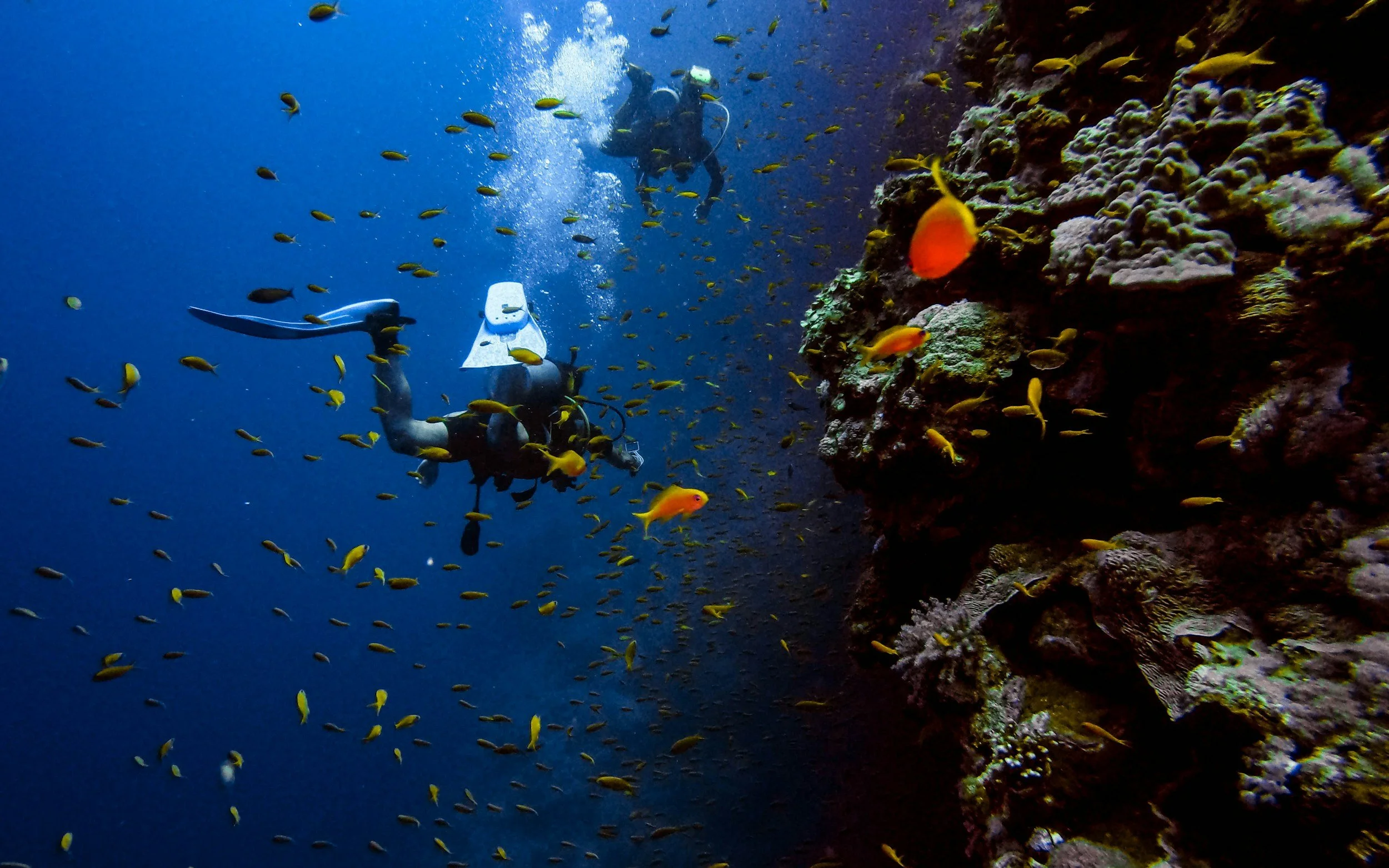
Description: That’s what the PADI Advanced Open Water Diver course is all about. You don’t have to be “advanced” to take it – it’s designed to advance your diving, so you can start right after earning your PADI Open Water Diver certification. The course helps build confidence and expand your scuba skills through different Adventure Dives. You try out different specialties while gaining experience under the supervision of your PADI Instructor. You log dives and develop capabilities as you find new ways to have fun scuba diving.
Get credit! Each Adventure Dive may credit toward the first dive of the corresponding PADI Specialty Diver Course. If you’ve already taken a specialty diver course, ask your instructor if you’ve earned credit for an Adventure Dive.
PADI (Junior) Open Water Divers who are at least 12 years old are ready to step up and enroll in an Advanced Open Water Diver course. Young divers may only participate in certain Adventures Dives – check with your PADI Instructor.
If you’re already an Adventure Diver, you only need to complete two more Adventure Dives to earn the Advanced Open Water Diver certification.
Academic: You’ll plan your learning path with your instructor by choosing from a long list of Adventure Dives. There are two required dives – Deep and Underwater Navigation – and you choose the other three, for a total of five dives.
During the Deep Adventure Dive, you learn how to plan dives to deal with the physiological effects and challenges of deeper scuba diving. The Underwater Navigation Adventure Dive refines your compass navigation skills and helps you better navigate using kick-cycles, visual landmarks and time.
The other knowledge and skills you get vary with your interest and the adventures you have – photography, buoyancy control, fish identification, exploring wrecks and many more.
You may be able to get college credit for the Advanced Open Water Diver course.
Equipment: Beyond using basic scuba equipment, you’ll need a compass and dive knife or dive tool. You’ll also use specialized gear depending on the Adventure Dives you choose. Your PADI Instructor will explain the equipment that you need and may suggest additional gear, such as dive light for night diving or lift bag for search and recovery diving.
-
RESCUE DIVER
Level: Continuing Education
Learn to prevent and manage problems in the water, and become more confident in your skills as a diver. It’s challenging, yet very rewarding.
Description: Scuba divers describe the PADI Rescue Diver course as the most challenging, yet most rewarding course they’ve ever taken. Why? Because you learn to prevent and manage problems in the water, and become more confident in your skills as a diver, knowing that you can help others if needed. During the course, you learn to become a better buddy by practicing problem solving skills until they become second nature. Plus, the course is just fun – it’s serious, but still allows for lots of laughter in between the focused learning.
PADI (Junior) Adventure Divers who are at least 12 years old and have completed the Underwater Navigation Adventure Dive may enroll in a Rescue Diver course. You also need to have Emergency First Response Primary and Secondary Care (CPR and First Aid) training within the past 24 months. You can complete this training during the Rescue Diver course. Your instructor may also offer the PADI Emergency Oxygen Provider specialty diver course at the same time.
Academic: The PADI Rescue Diver course prepares you to deal with dive emergencies, minor and major, using a variety of techniques. Through knowledge development and rescue exercises, you learn what to look for and how to respond. During rescue scenarios, you put into practice your knowledge and skills. Topics include:
Self rescue
Recognizing and managing stress in other divers
Emergency management and equipment
Rescuing panicked divers
Rescuing unresponsive divers
You may be able to get college credit for the Rescue Diver course – ask your instructor.
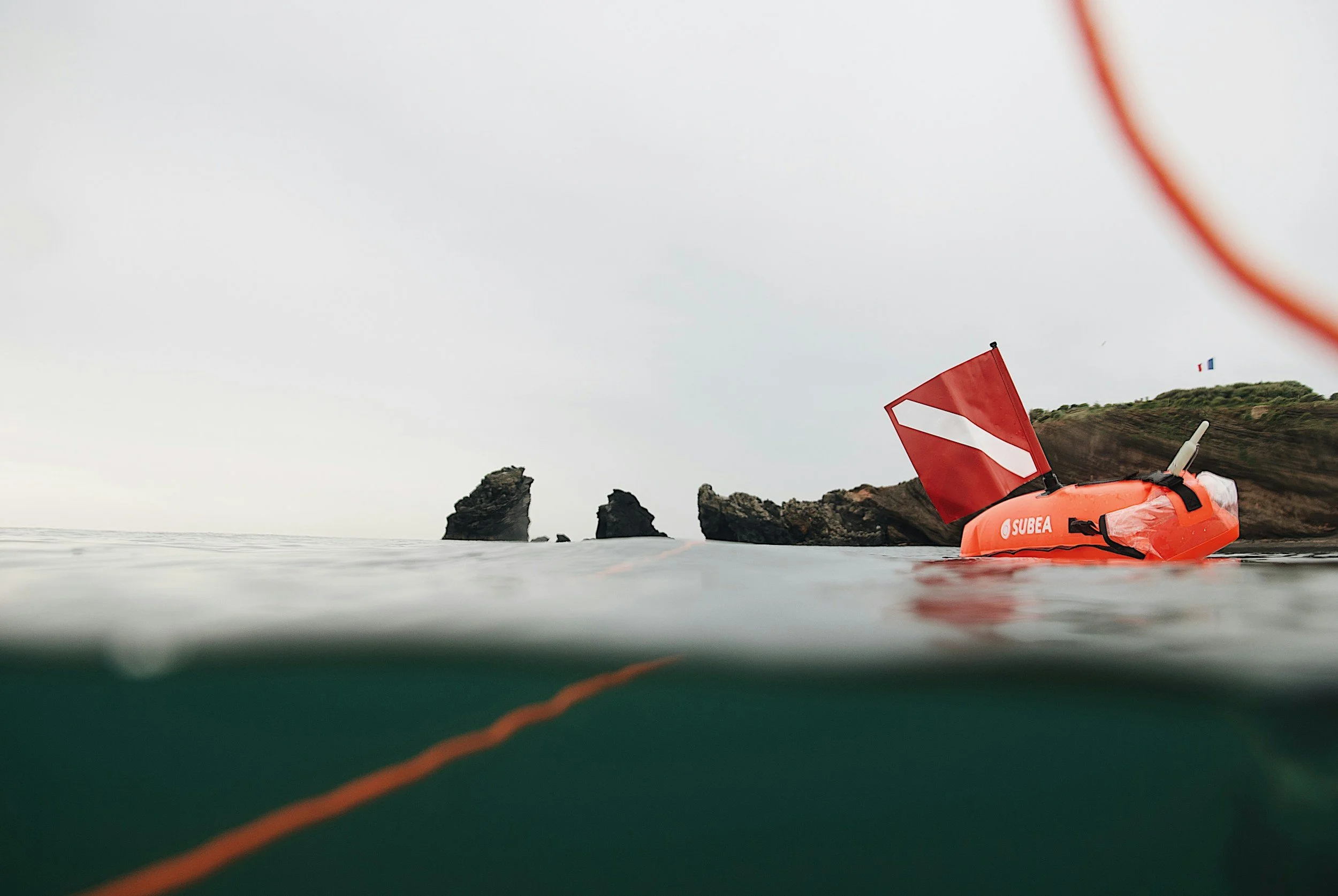
Equipment: You’ll use your basic scuba equipment and will need a pocket mask to practice in-water resuscitation. During exercises, you’ll work with an oxygen unit, floats, marker buoys and perhaps CPR mannequins. Your PADI Instructor will explain the equipment that you need and may suggest additional gear, such as your own first aid kit, which will be useful throughout your diving career.
-
DIVEMASTER
Level: Professional
Be a leader who mentors and motivates others.
Gain scuba diving knowledge, supervision abilities, and become a role model to divers around the world.
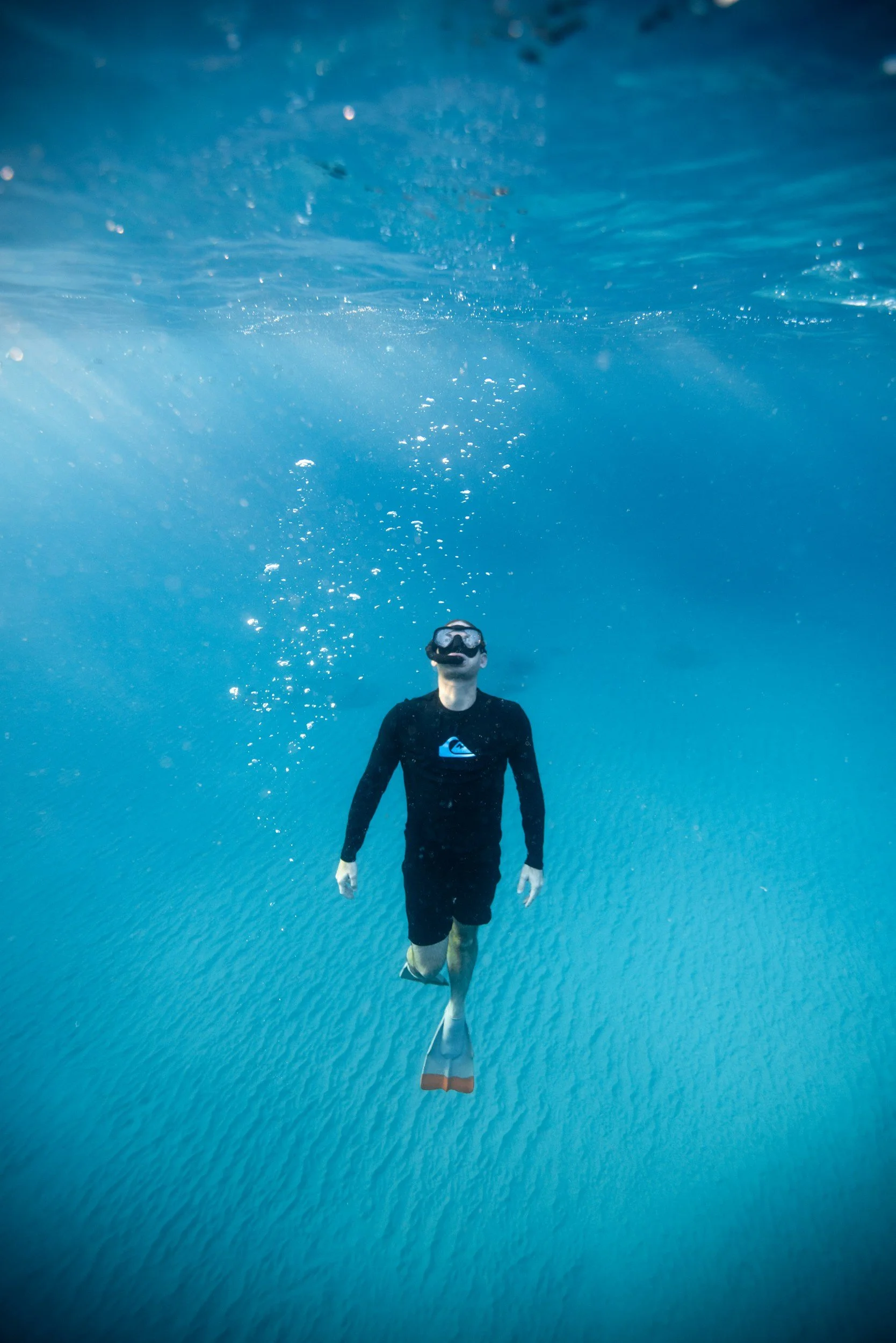
Description: Love scuba diving? Want to share it with others on a whole new level? Take the PADI Divemaster course and do what you love to do as a career. Scuba divers look up to divemasters because they are leaders who mentor and motivate others. As a divemaster, you not only get to dive a lot, but also experience the joy of seeing others have as much fun diving as you do.
The PADI Divemaster course is your first level of professional training. Working closely with a PADI Instructor, you’ll fine-tune your dive skills, like perfecting the effortless hover, and refine your rescue skills so you anticipate and easily solve common problems. You’ll gain dive knowledge, management and supervision abilities so you become a role model to divers everywhere.
As a PADI Divemaster, you’ll lead others as you supervise scuba diving activities and assist with diver training. Whether you want to work at a faraway dive destination or close to home at a local dive shop, the adventure of a lifetime awaits you. PADI Divemasters are respected dive professionals who are aligned with the largest and most respected dive organization in the world – PADI.
PADI Rescue Divers who are at least 18 years old may enroll in the PADI Divemaster course. You also need to have:
Emergency First Response Primary and Secondary Care (CPR and First Aid) training within the past 24 months.
A medical statement signed by a physician within the last 12 months.
At least 40 logged dives to begin the course and 60 dives to earn certification.
Note that qualifying certifications from other diver training organization may apply – ask your PADI Instructor.
Academic: The PADI Divemaster course teaches you to be a leader and take charge of dive activities. Through knowledge development sessions, waterskills exercises and workshops, and hands-on practical assessment, you develop the skills to organize and direct a variety of scuba diving activities. Topics and practical workshops include:
The role and characteristics of the PADI Divemaster
Supervising dive activities and assisting with student divers
Diver safety and risk management
Divemaster conducted programs and specialized skills
Business of diving and your career
Awareness of the dive environment
Dive setup and management
Mapping an open water site
Conducting dive briefings
Organizing a search and recovery project and a deep dive
Conducting a scuba review and skin diver course
Assisting with Discover Scuba Diving and leading Discover Local Diving programs
Your instructor may also offer the PADI Deep Diver and Search and Recovery Diver specialty diver courses along with your divemaster training to help you meet all requirements and to broaden your abilities.
You may be able to get college credit for the Divemaster course – ask your instructor.
Equipment: As a dive professional, you’ll want to have all your basic scuba equipment, including a dive computer, a dive knife, and at least two surface signaling devices. During practical skills exercises, like underwater mapping and search and recovery, you’ll use a compass, floats, marker buoys, lift bags and slates. Your PADI Instructor may suggest additional gear that will be useful throughout your diving career.