
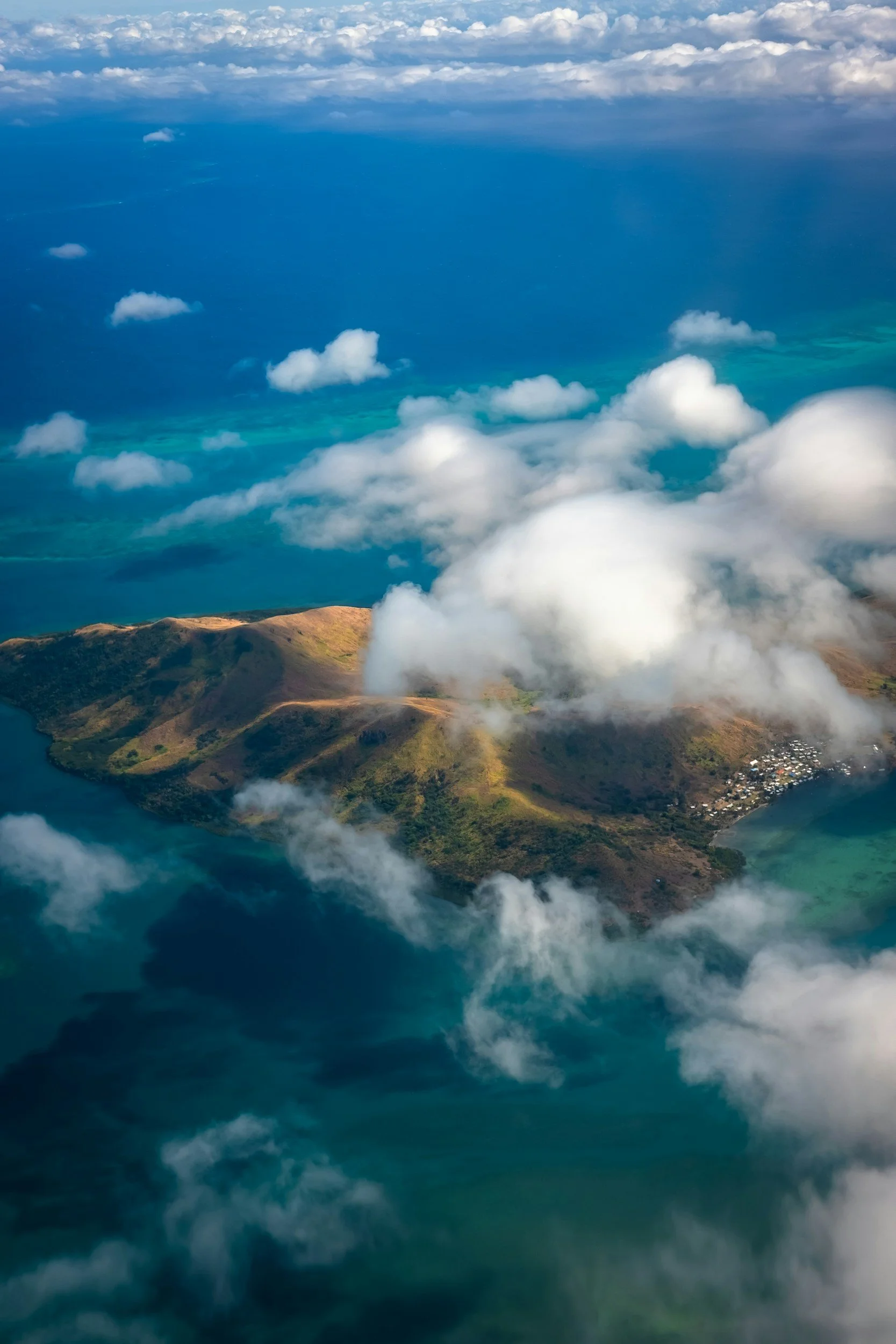
Fiji has 2 seasons: The Dry Season and The Wet Season.
The Dry Season (May to October)
Best for: Snorkeling, weddings, and sun-seekers.
Often referred to as the "Fijian Winter," this is widely considered the best time to visit. The air is crisp, the humidity is low, and the trade winds keep things from feeling too stifling.
May & June: The Sweet Spot
• Weather: Daytime highs hover around 27°C (81°F).
• The Vibe: These are "shoulder months." You get the benefit of dry weather before the heavy crowds of July arrive.
• Highlight: This is the start of Manta Ray season in The Yasawa Islands! Book a private boat charter to swim with the Manta Rays at https://www.dockmasterconciergefiji.com/all-excursions-in-the-yasawa-islands
July & August: The Cooler Months
• Weather: The coolest months of the year, with average highs of 26°C (79°F) and nights that can dip to 19°C (66°F).
• The Vibe: This tends to be a high tourist season, aligning with school holidays in the US and Aussies and Kiwis escaping the winter.
• Tip: Bring a light sweater for the evenings—it can get surprisingly breezy by the ocean.
September & October: The Final Warm-up
• Weather: Temperatures begin to climb back toward 28°C (82°F).
• The Vibe: Visibility for diving is at its absolute best.
The Wet Season (November to April)
Best for: Surfing, lush landscapes, and budget travelers.
Don't let the name scare you off. In Fiji, the "wet" season usually means short, intense tropical bursts in the afternoon followed by clear, sunny skies. However, this is also when humidity peaks.
November & December: The Transition
• Weather: Humidity rises, and the mercury hits 30°C (86°F).
• The Vibe: December is a paradox—it’s wet, but it’s also a peak due to Christmas travelers and Australian and NZ school holiday. The islands are incredibly lush and green.
January, February & March: The Tropics at Their Peak
• Weather: These are the wettest and hottest months. It is also the height of cyclone season.
• The Vibe: This is the best time for "resort-hopping" on a budget. You’ll find the lowest rates of the year and plenty of space at the pool.
• Highlight: Surfers love this window because tropical depressions can bring in some world-class swells.
April: The Cool Down
• Weather: The heavy rains start to taper off.
• The Vibe: Similar to May, April is a great transition month. The waterfalls are still roaring from the summer rains, but the humidity starts to break.
💡 Pro Tip: Location Matters
Because of the high mountains on the main island (Viti Levu), the western side (Nadi and the Mamanuca Islands) is generally much drier and sunnier than the eastern side (Suva). If you're visiting in the wet season, sticking to the west is your safest bet for sunshine!
